
Have you ever noticed how satisfying it feels when the reels spin to a stop and align perfectly? There's something almost magical about that moment, and it's not by accident. The psychology behind slot games involves a careful blend of visual design, sound engineering, and behavioral science that keeps players coming back for more.
Slot games have evolved far beyond simple mechanical machines. Modern versions use sophisticated techniques to create an experience that feels smooth, rewarding, and deeply satisfying. Understanding what makes these games so compelling reveals fascinating insights into how our brains respond to patterns, rewards, and anticipation.
The satisfaction you feel when playing slots isn't just about winning money. It's about the entire sensory experience, from the moment you hit the spin button to the final symbol landing in place. Let's explore the psychological mechanisms that make this experience so engaging.
Table of Contents
ToggleThe Role Of Visual Design And Animations
Visual elements play a massive role in making slot games feel smooth and satisfying.
The animations in modern slots are carefully crafted to provide visual feedback at every stage. When you press the spin button, you see immediate movement on the screen. This instant response satisfies a basic human need for cause and effect. Your brain registers that your action produced a result, which creates a sense of control and engagement.
The reel animations themselves follow specific timing patterns. Reels don't stop randomly or too quickly. Instead, they slow down gradually, building tension and anticipation. This deceleration mimics the physics of real mechanical machines, which our brains find comforting and familiar. The slower descent toward the final symbols creates a sense of momentum that feels natural rather than artificial.
Color psychology also matters significantly. Bright, contrasting colors draw attention and create excitement. Winning combinations often feature colors that pop off the screen, making the reward feel more substantial. The visual hierarchy guides your eyes to important information, reducing cognitive load and making the experience feel effortless.
Sound Design And Audio Cues
Audio might be the most underrated element in creating that smooth, satisfying feeling.
Every sound in a slot game serves a purpose. The subtle whoosh as reels spin, the satisfying click as they lock into place, and the celebratory chimes when you win all work together to create a complete sensory experience. These sounds trigger emotional responses in your brain that reinforce the pleasure of playing.
The frequency and pitch of sounds matter too. Lower frequencies feel grounding and substantial, while higher pitches feel exciting and celebratory. When a winning combination appears, the sound design typically shifts to higher pitches and more complex musical elements, signaling to your brain that something positive just happened.
Importantly, sounds are timed to align perfectly with visual events. When a reel stops, you hear a sound at exactly that moment. This synchronization between sight and sound creates a cohesive experience that feels polished and intentional. Your brain loves this alignment because it reduces the cognitive effort needed to process what's happening.
The Psychology Of Anticipation And Reward
Anticipation is one of the most powerful psychological drivers in slot game design.
Your brain releases dopamine not just when you win, but during the anticipation of winning. The spinning reels create a period of uncertainty where anything could happen. This uncertainty triggers your brain's reward system, making you feel engaged and focused. The longer this anticipation lasts, the more dopamine your brain produces.
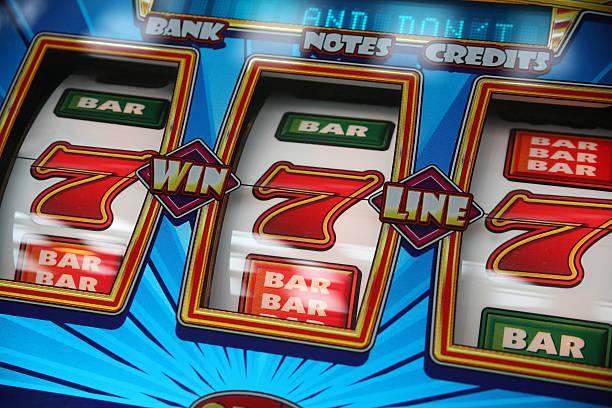
The near-miss effect also plays a role in how satisfying slots feel. When two matching symbols appear with a third symbol just off the payline, your brain registers this as "almost winning." This near-miss actually feels more rewarding than a complete loss because your brain interprets it as progress toward a win. It keeps you motivated to try again.
Winning itself activates your brain's reward centers intensely. Even small wins trigger a rush of dopamine. The game design ensures that wins happen frequently enough to maintain this positive reinforcement, but not so frequently that they lose their impact. This balance keeps the experience feeling fresh and rewarding.
The Illusion Of Control
Players feel more satisfied when they believe they have some control over the outcome.
Even though slot outcomes are determined by random number generators, the game interface creates an illusion of control. You choose when to spin, how much to bet, and sometimes which reels to hold. These decisions, while not affecting the actual outcome, make you feel like an active participant rather than a passive observer.
Some games include features where you can click to stop the reels, adding another layer of perceived control. This interaction, even though it doesn't change the predetermined outcome, makes the experience feel more engaging and personalized. Your brain prefers having agency, and this design choice satisfies that preference.
Pacing And Flow State
The pacing of slot games is designed to keep you in a psychological state called flow.
Flow occurs when the challenge level matches your skill level perfectly. Slots maintain flow by providing regular feedback, clear goals, and appropriate difficulty. Each spin takes a few seconds, giving your brain just enough time to process the result before anticipating the next spin. This rhythm becomes almost meditative for many players.
The game progresses at a speed that feels natural and engaging. Not too fast that you feel overwhelmed, but not so slow that you get bored. This optimal pacing keeps your attention focused and your brain engaged. You might notice that time seems to pass differently when playing slots, which is a sign you've entered a flow state.
Reward Schedules And Consistency
The frequency and pattern of rewards significantly impact how satisfying the experience feels.
Slot games typically use variable ratio reinforcement schedules, meaning you don't know exactly when the next reward will come, but rewards appear at regular intervals on average. This unpredictability combined with consistency creates the perfect psychological recipe for sustained engagement. Your brain stays alert because the next reward could come at any moment, but you trust that rewards will eventually arrive.
When you explore platforms like hoki123, you'll notice that different games use different reward patterns. Some games deliver small wins more frequently, while others save up for bigger payouts. Both approaches work because they satisfy different psychological needs and preferences.
The consistency of these reward patterns is crucial. Your brain learns to predict when rewards typically arrive and adjusts your expectations accordingly. This predictability, combined with occasional surprises, creates a satisfying balance between certainty and excitement.
The Importance Of Smooth Mechanics
Technical smoothness directly impacts how satisfying a game feels.
When animations are fluid and responsive, everything feels polished and professional. Stuttering animations or delayed responses break the immersion and reduce satisfaction. Modern games run at high frame rates with smooth transitions, ensuring that every visual element moves fluidly across your screen.
The responsiveness of buttons and controls also matters. When you click spin and the reels immediately start moving, your brain registers this as a quality experience. Lag or delays create frustration and reduce the overall satisfaction of playing.
Understanding Your Own Response
Recognizing these psychological mechanisms helps you understand why slots feel so satisfying.
Your brain is wired to respond positively to patterns, rewards, and smooth visual and audio experiences. Slot games tap into these fundamental psychological processes in ways that feel natural and engaging. The satisfaction you feel isn't irrational; it's a direct result of carefully engineered design that aligns with how your brain works.
Being aware of these techniques doesn't diminish the enjoyment, but it does help you play with greater awareness and control. You can appreciate the skill involved in creating such a polished experience while maintaining a healthy relationship with gaming.